Four young people from Treaty 9 territory are at the United Nations this week, holding Canada accountable for legislation that threatens First Nations and Métis lands. They got there by walking 700 kilometres.
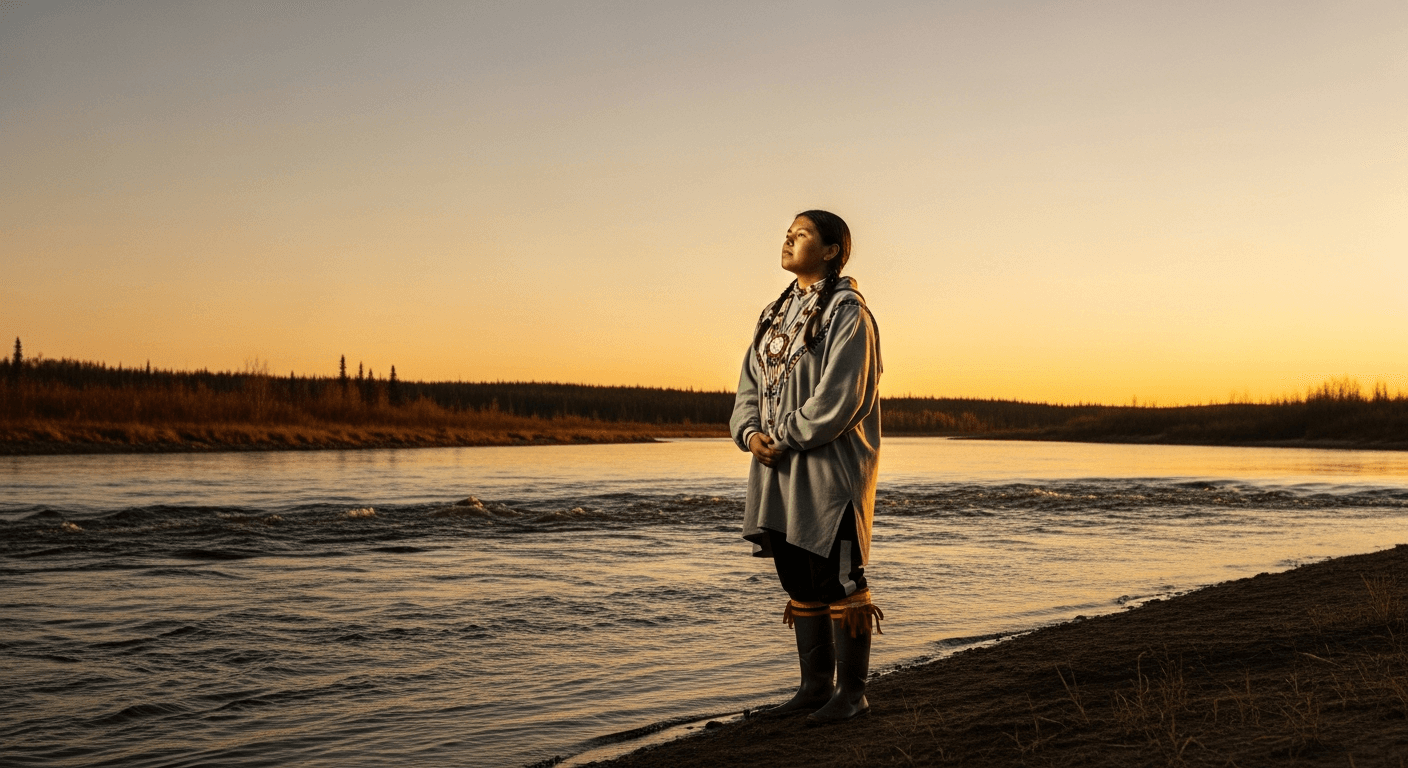
Jeronimo Kataquapit, 21, spent his tuition money last year to launch Here We Stand, a land-based movement along the Attawapiskat River challenging two bills that fast-track resource extraction on First Nations and Métis territories. According to CTV News, Kataquapit and three other Treaty 9 youth — Ramon Kataquapit, Ryan Fleming from Attawapiskat, and Kohen Mattinas from Constance Lake and Lac Seul First Nations — are delegates at the 25th UN Permanent Forum on Indigenous Issues in New York, running April 20 to May 1, 2026.
In the same building, Canada's Governor General Mary Simon is delivering remarks alongside First Nations, Inuit, and Metis Elders. Minister Alty is there too, emphasizing Canada's commitment to First Nations and Métis rights and climate leadership. The UNPFII is one of the largest annual gatherings of First Nations and Métis peoples from around the world, with delegations from more than 90 countries discussing self-determination, land rights, and sovereignty.
A 21-year-old who paid his own way and the officials who represent the Crown, speaking about First Nations and Métis rights in the same building from very different positions. The arc of First Nations, Métis, or Inuit youth advocacy behind that scene — from a river camp to the world stage in under a year — is the real story.
The Legislation That Started It
In June 2025, the federal government passed Bill C-5, the One Canada Economy Act. It creates special economic zones and fast-tracks major development projects — including mining and resource extraction — with reduced requirements for First Nations and Métis consultation. Royal Assent came on June 26, 2025.
According to the Chiefs of Ontario, First Nations were given fewer than seven days to respond to an outline of the bill. They never saw the full text before it passed.
Ontario's Bill 5, the Unleashing Our Economy Act, does something similar at the provincial level. Together, the two bills open the door to accelerated development in regions like the Ring of Fire — one of the largest chromite deposits in the world, sitting in Treaty 9 territory, and the subject of decades-long negotiations between First Nations and government.
For young people in Treaty 9 communities, this wasn't abstract policy. It was a direct threat to land, water, and Treaty rights their families have defended for generations. Kataquapit's response was to build something on the land itself.
That instinct — to ground your response in community and on the land — runs through First Nations, Métis, or Inuit youth programming across the country. In Winnipeg, New Steps works from a similar premise: self-determination starts with a stable foundation, and young people already have what they need to lead. For youth and families exploring what's available, the path forward starts with connection.
700 Kilometres on Foot
Kataquapit's first act of resistance was personal. According to the National Observer, he and his family journeyed 20 kilometres by boat along the Attawapiskat River, planting community flags at culturally significant sites. It was a deliberate reassertion of First Nations and Métis presence — quiet, grounded, and rooted in ceremony.
What followed was anything but quiet.
First Nations, Métis, or Inuit youth walked more than 700 kilometres from Timmins to Toronto in peaceful protest against both bills. TimminsToday documented how the walk built a sustained resistance movement over weeks, drawing media coverage, community support, and political pressure as it connected First Nations and Métis communities across northern and southern Ontario.
The movement also went to court. Fourteen First Nations filed a constitutional challenge in Ontario Superior Court, arguing both bills represent a "clear and present danger" to First Nations and Métis self-determination. CBC News reports that Attawapiskat youth have asked to intervene in the case — making them participants in the legal arena, on the streets, and on the international diplomatic stage simultaneously.
From a river camp to a courtroom to the United Nations. Each step deliberate. Each step led by people under 25.
This is the pattern that social workers and CFS professionals see constantly — young First Nations, Métis, and Inuit people with the capacity to lead, working through circumstances that don't match their potential. For those supporting youth in Manitoba's system, culturally grounded referral pathways can help close that gap.
First Nations, Métis, or Inuit Youth Advocacy Doesn't Start at the UN
First Nations, Métis, or Inuit youth aged 15 to 24 make up 16.9% of the total First Nations, Métis, and Inuit population in Canada — one of the youngest demographics in the country, according to Statistics Canada. The same research shows that political participation among youth increases with education, income, and community support.
The implication is worth sitting with. Youth leadership isn't something that happens despite the system. It happens because of the conditions young people have around them — or in spite of the conditions they don't.
Kataquapit had a family that supported his river journey. He had a community that walked 700 kilometres beside him. He had mentors who helped navigate the UN delegation process. None of that was accidental.
In Winnipeg, organizations like Ka Ni Kanichihk — "Those Who Lead" — run youth leadership programs grounded in the same philosophy: that young First Nations, Métis, and Inuit people have inherent capacity, and the role of programming is to create the conditions for it to emerge. Ma Mawi Wi Chi Itata Centre's Sacred 7 Youth Council empowers youth as decision-makers in their own communities. For young people in Manitoba's care system, that starting point can be as concrete as knowing your rights and having someone in your corner.
Treaty 1 and Treaty 9 are different territories separated by thousands of kilometres. But they share the same treaty-based relationship with the Crown — the relationship these youth are now defending on the world stage. When a 21-year-old from Attawapiskat can go from a river camp to the UN in under a year, it challenges the narrative that advocacy is something young people grow into. These youth aren't waiting. They're already there.
Kataquapit told TimminsToday that his message at the United Nations is about hope and responsibility — not anger. The movement isn't defined by what it opposes. It's defined by what it stands for.
That's what self-determination looks like — at the United Nations, on a 700-kilometre highway, or in a Winnipeg apartment where a young person is learning to cook their first meal, manage a budget, and imagine what comes next. Programs like New Steps exist because that foundation matters. If you or someone you know is navigating the transition out of care in Manitoba, reach out.